DJI Inspire 3: Why Filmmakers Choose the 8K Cinema Drone
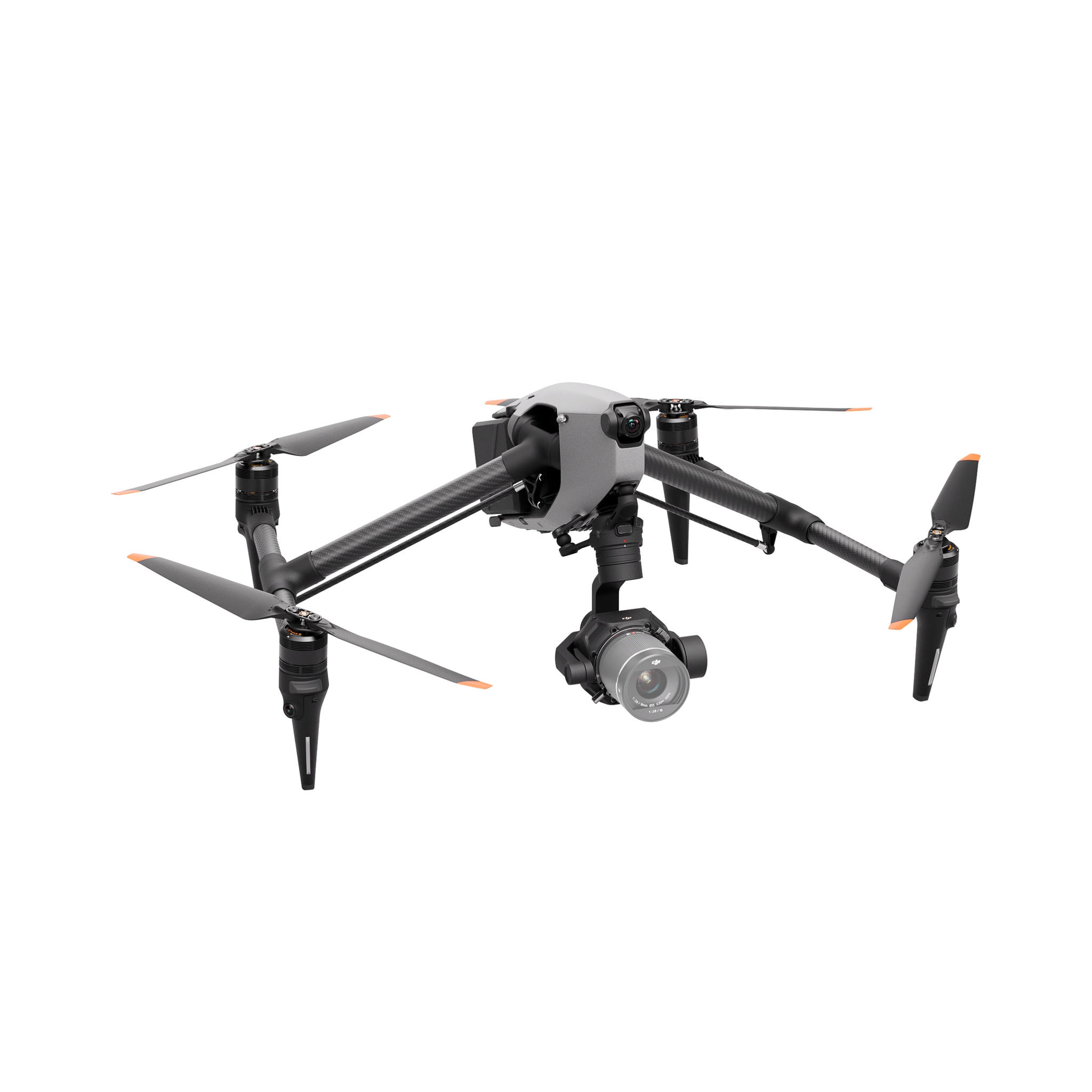
In the world of professional aerial cinematography, the DJI Inspire 3 stands alone. Since its introduction, this aircraft has become the default choice for Hollywood productions, high-end documentary filmmaking, broadcast sports coverage, and luxury commercial shoots that demand absolute image quality. With a full-frame 8K Zenmuse X9 camera system, dual-operator control capability, and a flight platform engineered to deliver butter-smooth footage in challenging conditions, the Inspire 3 represents the pinnacle of what drone cinematography can achieve.
Full-Frame 8K: Cinema-Grade Imagery from the Sky
The Zenmuse X9-8K Air gimbal camera features a full-frame CMOS sensor that records CinemaDNG 8K RAW and Apple ProRes RAW internally at up to 24fps, with 4K ProRes 422 HQ available at up to 60fps. This is not consumer 8K — it is the same image pipeline and color science used in ground-based cinema cameras costing ten times as much. The 14+ stops of dynamic range and DJI Cinema Color System (DCCS) ensure that footage from the Inspire 3 cuts seamlessly alongside shots from ARRI, RED, and Sony Venice cameras in professional post-production workflows.
Interchangeable DL-mount lenses give cinematographers creative control over focal length and depth of field that fixed-lens drones cannot provide. The standard kit includes a 24mm f/2.8 wide-angle lens, while optional 35mm and 50mm prime lenses enable tighter compositions and shallower depth of field for cinematic bokeh — a look that was previously impossible to achieve from an airborne platform without custom-built rigs costing hundreds of thousands of dollars.
Dual-Operator Control for Professional Shoots
The Inspire 3 supports a true dual-operator workflow where one pilot controls the aircraft flight path while a dedicated camera operator independently controls the gimbal, focus, iris, and recording functions. This separation of responsibilities mirrors the traditional helicopter filming setup, where the pilot focuses on safe, smooth flight while the camera operator composes and frames each shot in real time. The result is significantly more polished footage compared to single-operator drones where the pilot must divide attention between flying and filming.
The DJI Master Wheels and DJI Force Pro controllers provide camera operators with cinema-industry-standard control interfaces. The Master Wheels deliver the same feel and precision as professional remote heads used on cranes and dollies, allowing operators to bring their existing skills directly to drone work. Focus control supports real-time manual pull focus with onscreen distance markers, enabling rack focus techniques between foreground and background elements during a single continuous take.
Flight Platform: Stability Above All
The Inspire 3's transforming airframe raises its landing gear during flight to provide the camera with a full 360-degree unobstructed rotation — eliminating the propeller-in-frame issues that plague lesser platforms. The six-axis gimbal stabilization system compensates for wind gusts, acceleration changes, and vibration with such precision that footage appears to float through the air. Maximum flight time is 28 minutes with the TB51 batteries, and the aircraft withstands winds up to Level 5 while maintaining stable footage quality.
Waypoint Pro enables repeatable flight paths with centimeter-level accuracy, allowing directors to rehearse and refine complex camera moves before committing to a take. Time-coded synchronization with ground-based cameras ensures that aerial and ground footage align perfectly on the editing timeline, streamlining the post-production workflow for multi-camera shoots.
Industry Adoption and Real-World Results
Major film productions including nature documentaries, feature films, and global sporting events have relied on the Inspire 3 as their primary aerial camera platform. The aircraft's ability to deliver cinema-grade imagery while operating from a small crew footprint — compared to the extensive logistics of helicopter aerial units — has made it economically attractive even for projects with substantial budgets. The typical daily cost savings range from $15,000 to $40,000 compared to helicopter-based aerial cinematography.
For professional cinematographers, production companies, and broadcast organizations seeking the ultimate aerial camera platform, contact DJI-ELITE to discuss Inspire 3 purchase, rental, and certified operator referrals for your next production.