
Drone Delivery Networks: How FlyCart 30 Enables Mountain Logistics
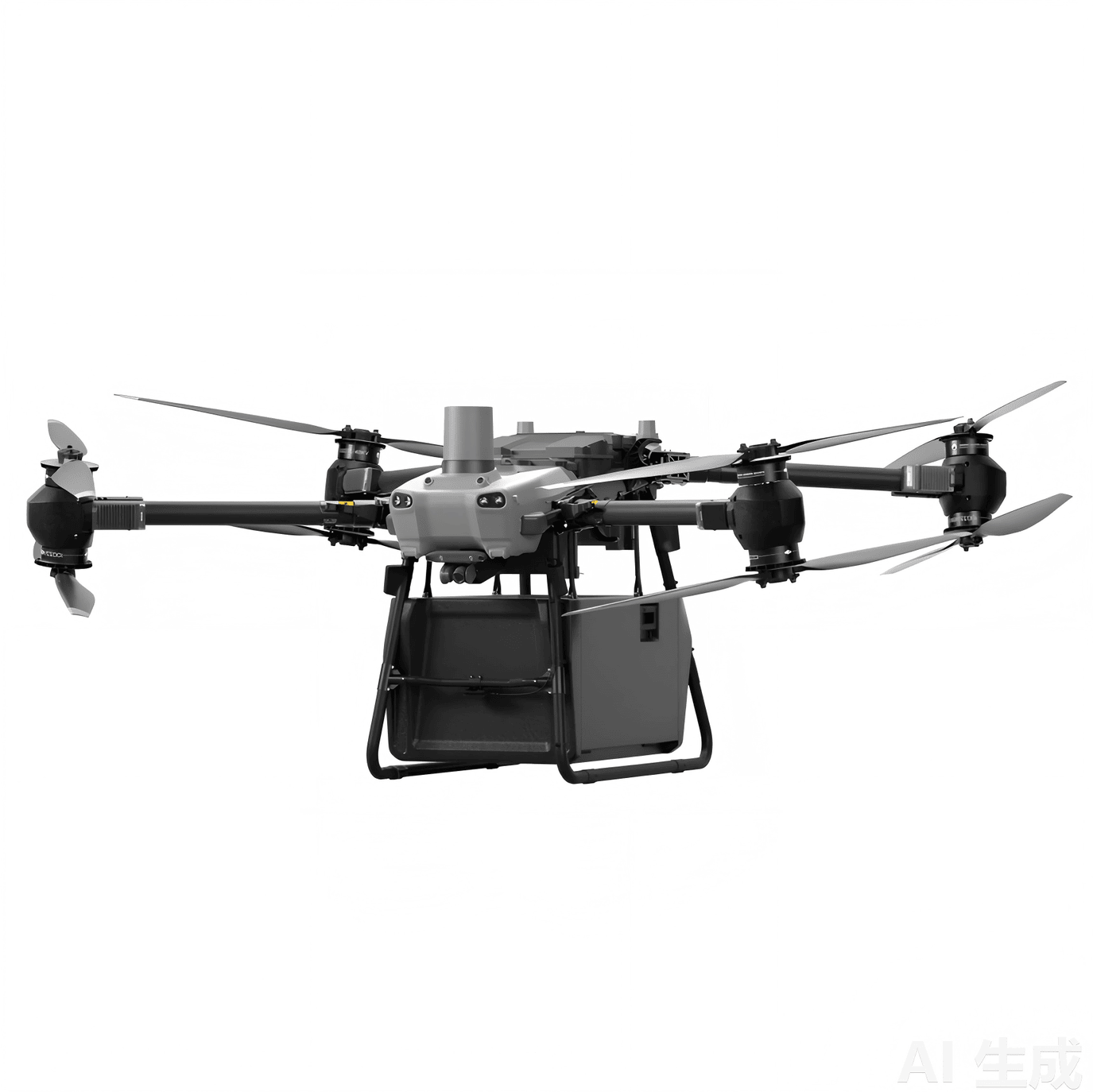
In the highlands of Yunnan, the peaks of Nepal, the ridges of the Swiss Alps, and the valleys of Appalachia, a logistics revolution is quietly unfolding. The DJI FlyCart 30, designed to carry up to 30 kilograms of cargo across distances of 16 kilometers, is establishing aerial supply routes that bypass treacherous mountain roads, unreliable ferries, and seasonal path closures that have isolated communities for centuries. What began as a specialized solution for extreme terrain is rapidly becoming a model for rethinking last-mile delivery everywhere.
The Mountain Logistics Challenge
Mountain communities face logistics challenges that flatland populations rarely consider. A village 5 kilometers from the nearest road may require a 4-hour trek each way to reach supplies. Monsoon seasons render unpaved roads impassable for months. Winter snowfall blocks high-altitude passes for half the year. Medical emergencies become life-threatening not because of the condition itself, but because transport time to the nearest clinic exceeds the treatment window. These are not edge cases — they represent daily reality for hundreds of millions of people living in mountainous regions across Asia, South America, Africa, and Europe.
Traditional solutions — helicopter delivery, mule trains, manual porterage — are prohibitively expensive, weather-dependent, or simply unavailable. A single helicopter supply flight to a remote Himalayan village costs between $3,000 and $8,000. The same delivery by FlyCart 30 costs under $50 in energy and maintenance, with a turnaround time of minutes rather than hours.
FlyCart 30: Purpose-Built for Altitude and Terrain
The FlyCart 30 is engineered specifically for the demands of mountain operations. Its maximum service ceiling of 6,000 meters above sea level enables operation in the world's highest inhabited regions. The dual-battery redundant power system maintains full control authority even if one battery experiences a fault, while the parachute recovery system provides an additional safety layer over populated areas below. Four-axis environmental sensing detects cliff faces, power lines, and cable car infrastructure that are common obstacles in mountain environments.
The cargo bay accommodates loads of various shapes — from standardized medical supply boxes to fresh produce crates to construction materials. The quick-release mechanism supports both landing delivery and hover-and-lower delivery using the integrated winch system, the latter being essential when landing zones are unavailable due to terrain slope or vegetation. An optional temperature-controlled insert maintains cold-chain integrity for vaccines, insulin, blood products, and perishable food items during transit.
Real-World Deployment Case Studies
In Yunnan Province, China, a network of 15 FlyCart 30 units serves 47 mountain villages across a 200 km² area. Daily deliveries include fresh produce, medical supplies, postal packages, and school materials. What previously required a full day of driving on dangerous switchback roads now takes 12 minutes by air. Village residents report that access to fresh vegetables — previously limited to weekly market visits — is now daily, with measurable improvements in nutrition and food security.
In Nepal, the Khumbu region near Mount Everest uses FlyCart 30 drones to resupply trekking lodges and medical posts along popular hiking routes. During the 2025 trekking season, the system completed over 3,000 delivery flights with a 99.4% success rate, carrying supplies ranging from bottled oxygen to fresh food to emergency medical equipment. The environmental benefit is also significant — each drone flight replaces a yak train that damages fragile alpine trails and produces methane emissions.
Building Sustainable Aerial Networks
The economic model for mountain drone delivery is compelling. A single FlyCart 30 unit can complete 15–20 round trips per day, delivering 450–600 kg of cargo daily. Operating costs including energy, maintenance, and operator wages average $120–180 per day, compared to $500–2,000 per day for equivalent ground or helicopter transport. Solar-powered charging stations positioned at strategic waypoints extend the effective range beyond the aircraft's single-flight distance, enabling multi-hop routes that span entire mountain valleys.
For government agencies, humanitarian organizations, and logistics companies serving mountain communities, the DJI FlyCart 30 offers a proven, economical solution. Contact DJI-ELITE to discuss route planning, infrastructure requirements, and deployment packages for your region.